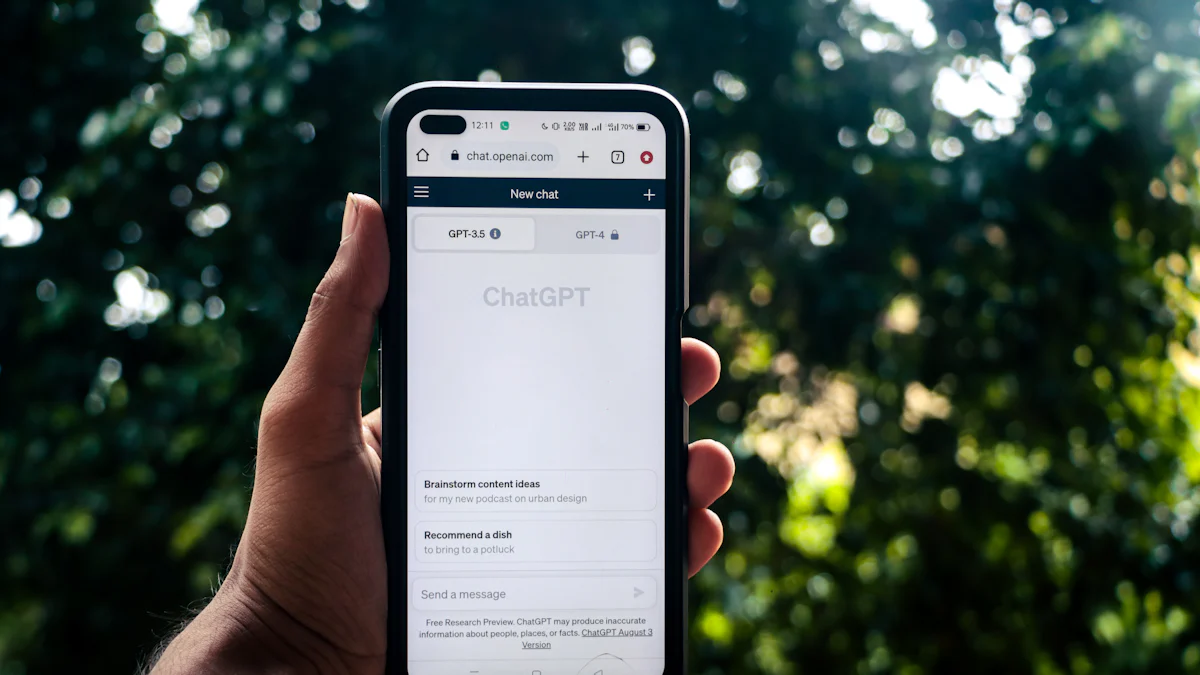
Image Source: pexels
Leveraging Chatbots for Real Estate Lead Generation
In today's competitive real estate market, chatbots have emerged as a powerful tool for lead generation. With the increasing demand for personalized interactions and instant responses, chatbots provide an efficient solution to engage with potential leads and nurture them through the sales funnel.
This blog explores the strategies and benefits of using chatbots to generate more real estate leads. By implementing a sales lead management system and designing effective chatbots tailored for real estate sales, agents and brokers can streamline their lead generation process and improve conversion rates.
A key component of leveraging chatbots for real estate lead generation is implementing a well-structured sales lead management system. This system allows professionals to effectively track, nurture, and convert leads into clients. By utilizing lead management software or CRM (Customer Relationship Management) specifically designed for real estate leads, agents can automate various tasks such as lead tracking, follow-ups, and prioritization.
The implementation of a sales lead management system enables agents to efficiently manage their pipeline by organizing leads based on their stage in the buying or selling process. This ensures that no potential opportunity slips through the cracks and allows agents to focus their efforts on high-priority leads.
By integrating CRM software with chatbot technology, real estate professionals can further enhance their lead generation efforts. The CRM system provides valuable insights into each lead's preferences, behavior patterns, and engagement history. This data can be leveraged by chatbots to deliver personalized interactions that resonate with potential buyers or sellers.
Streamlining Lead Management with a Sales Lead Management System
In the fast-paced world of real estate, efficiently managing leads is crucial for success. A well-structured sales lead management system can significantly streamline lead tracking, nurturing, and conversion processes for real estate professionals.
Implementing an Efficient Sales Lead Management System
A well-structured sales lead management system is essential for real estate professionals to effectively manage their leads. It provides a centralized platform to store and organize lead information, ensuring that no potential opportunity is overlooked.
One of the key benefits of implementing a sales lead management system is improved lead tracking. With a dedicated system in place, agents can easily monitor the progress of each lead throughout the sales cycle. This allows them to identify any bottlenecks or areas that require additional attention, ensuring that leads are not lost or neglected.
Furthermore, a sales lead management system enables efficient lead nurturing. By capturing relevant data about leads' preferences and interests, agents can tailor their communication and marketing efforts accordingly. This personalized approach helps build trust and rapport with potential buyers or sellers, increasing the likelihood of conversion.
Automating Lead Management with CRM Software
To further enhance lead management efficiency, real estate agents can leverage Customer Relationship Management (CRM) software. CRM software offers a range of features specifically designed to automate various lead management tasks.
One significant benefit of using CRM software is its ability to efficiently track and prioritize leads. By analyzing data such as engagement history and responsiveness, agents can identify high-potential leads that require immediate attention. This ensures that valuable time and resources are allocated effectively.
Additionally, CRM software streamlines communication by automating follow-ups and reminders. Agents can set up automated email campaigns or schedule personalized messages based on predefined triggers or events. This saves time while maintaining consistent communication with leads.
Crafting Chatbots Tailored for Real Estate Sales
In the real estate industry, chatbots have become an invaluable tool for lead generation and customer engagement. Designing chatbots specifically tailored for real estate sales can greatly enhance the effectiveness of lead generation efforts.
Designing Chatbots for Real Estate Lead Generation
When designing chatbots for real estate lead generation, there are several key considerations to keep in mind. First and foremost, it is crucial to understand the target audience and their specific needs. This knowledge will help in crafting chatbot conversations that provide personalized and relevant information to potential leads.
Real estate chatbots should be designed to mimic natural human conversation as closely as possible. They should be programmed to understand and respond to user queries effectively. By utilizing AI technologies such as natural language processing (NLP), chatbots can interpret user input and provide accurate and helpful responses.
To create a successful real estate chatbot, it is important to incorporate features that cater specifically to the needs of potential buyers or sellers. For example, integrating property search capabilities into the chatbot allows users to easily find listings based on their preferences. Providing information about neighborhood amenities, school districts, or local market trends can also add value to the user experience.
Integrating Natural Language Processing for Better Conversations
Natural language processing plays a crucial role in enhancing chatbot conversations. It enables chatbots to understand user intent, context, and sentiment, allowing them to provide more meaningful responses. By leveraging NLP techniques, real estate chatbots can accurately interpret complex queries and deliver relevant information.
One effective way to leverage natural language processing is by implementing sentiment analysis. This allows the chatbot to gauge the emotional tone of a user's message and respond accordingly. For example, if a potential buyer expresses frustration or dissatisfaction with their home search experience, the chatbot can offer empathy and suggest alternative options.
Another important aspect of integrating NLP is ensuring that the chatbot understands various forms of user input. This includes recognizing synonyms or different ways of asking similar questions. By training the chatbot with a diverse range of conversational patterns, it becomes more versatile in understanding user queries and providing accurate responses.
Maximizing Lead Generation through Chatbot Conversation Optimization
To maximize lead generation through chatbots, it is essential to optimize chatbot dialogues and leverage user data for personalized interactions. By crafting engaging and persuasive chatbot dialogues and utilizing user data effectively, real estate professionals can guide leads towards conversion.
Optimizing Chatbot Dialogues for Lead Conversion
Crafting engaging and persuasive chatbot dialogues is crucial for capturing the attention of potential leads and guiding them towards conversion. One strategy is to use conversational language that feels natural and relatable to users. Avoiding jargon or technical terms helps ensure that the conversation flows smoothly and is easily understood.
Another important aspect of optimizing chatbot dialogues is providing relevant information at the right time. By understanding the user's intent through effective natural language processing, chatbots can deliver personalized responses tailored to their specific needs. This not only enhances the user experience but also increases the chances of lead conversion.
Furthermore, using chatbot conversations to qualify leads can significantly improve lead generation efforts. By asking targeted questions and gathering relevant information about a lead's preferences, budget, or timeline, real estate professionals can determine if they are a qualified prospect. This qualification process allows agents to prioritize their efforts on high-potential leads, increasing efficiency and conversion rates.
Leveraging User Data for Personalized Interactions
Collecting and analyzing user data is vital for providing personalized interactions through chatbots. By understanding a lead's preferences, behavior patterns, and past interactions with the chatbot, real estate professionals can tailor their recommendations and offers accordingly.
For example, if a lead has shown interest in luxury properties in a specific neighborhood, the chatbot can provide personalized recommendations based on this information. Additionally, leveraging user data allows agents to offer targeted promotions or incentives that align with a lead's preferences or stage in the buying process.
It is important to handle user data responsibly by ensuring compliance with privacy regulations. Obtaining explicit consent from users before collecting their data builds trust and ensures transparency in how their information will be used.
By optimizing chatbot dialogues for lead conversion and leveraging user data effectively, real estate professionals can enhance their lead generation efforts and increase conversion rates.
Enhancing Lead Generation with Chatbot-Social Media Integration
Integrating chatbots with social media platforms can significantly enhance lead generation efforts for real estate professionals. By leveraging the power of chatbots on social media, agents can engage with potential leads in a more personalized and efficient manner.
Integrating Chatbots with Social Media Platforms
Integrating chatbots with social media platforms offers several benefits for lead generation. Firstly, it allows real estate professionals to be present on multiple channels where their target audience is active. This expands their reach and increases the chances of connecting with potential leads.
Chatbots on social media provide a convenient way for users to interact and engage with a brand or agent. They can answer frequently asked questions, provide property information, schedule appointments, and even assist in property search directly within the social media platform. This seamless experience enhances user engagement and encourages potential leads to take action.
Furthermore, integrating chatbots with social media platforms enables real estate professionals to capture valuable user data. By analyzing interactions and collecting information such as preferences, location, or budget range, agents can gain insights into potential leads' needs and interests. This data can then be used to personalize future interactions and tailor marketing efforts accordingly.
Using Social Media Data to Generate Qualified Leads
Social media platforms offer a wealth of data that can be leveraged to identify and target potential leads effectively. Real estate professionals can use social media analytics tools to analyze user demographics, interests, and engagement patterns. This information helps in creating targeted marketing campaigns that resonate with the right audience.
By combining social media data insights with chatbot lead generation strategies, agents can optimize their efforts further. For example, if a user has shown interest in luxury properties through their social media activity, the chatbot can provide tailored recommendations or exclusive offers related to high-end listings.
Additionally, monitoring conversations on social media platforms allows agents to identify individuals who are actively seeking real estate services or expressing interest in buying or selling properties. Engaging with these individuals through chatbot interactions provides an opportunity to nurture them as qualified leads.
By integrating chatbots with social media platforms and leveraging the available data insights, real estate professionals can enhance their lead generation efforts by reaching a wider audience and providing personalized experiences.
Qualifying Leads and Personalizing Interactions for Better Conversions
Qualifying leads and personalizing interactions are essential steps in maximizing conversion rates and increasing the effectiveness of lead generation efforts in the real estate industry. By implementing lead qualification strategies and delivering personalized experiences, real estate professionals can build trust with potential leads and increase their chances of conversion.
Implementing Lead Qualification Strategies
Lead qualification is a crucial process that helps identify high-potential leads from the pool of prospects. By effectively qualifying leads using chatbots, real estate professionals can focus their time and resources on those who are most likely to convert.
One strategy for lead qualification is to ask targeted questions through chatbot interactions. These questions can help gather information about a lead's budget, timeline, location preferences, or specific property requirements. By understanding these factors, agents can determine if a lead aligns with their offerings and prioritize follow-up accordingly.
Another effective approach is to utilize chatbot analytics to track user engagement patterns. Analyzing metrics such as response times, conversation length, or repeat interactions can provide insights into a lead's level of interest and engagement. This data helps in identifying leads who exhibit strong intent and are more likely to convert.
Delivering Personalized Experiences to Potential Leads
Personalization plays a key role in building trust with potential leads and increasing conversion rates. Chatbots offer an opportunity to deliver personalized experiences at scale.
By leveraging user data collected through chatbot interactions or social media integration, real estate professionals can tailor their conversations to each individual's preferences. For example, if a lead has shown interest in specific property types or locations, the chatbot can provide relevant recommendations based on their preferences.
Furthermore, personalization extends beyond property recommendations. Chatbots can use personalized greetings or reference previous conversations to create a more engaging experience for potential leads. This level of personalization shows that the agent values the individual's needs and fosters a sense of trust throughout the interaction.
The benefits of personalized interactions include increased engagement, improved customer satisfaction, and higher conversion rates. When potential leads feel understood and valued by the chatbot, they are more likely to progress further in the sales funnel.
Evaluating Success and Overcoming Challenges in Chatbot Lead Generation
Evaluating the success of chatbot lead generation efforts is crucial for optimizing performance and achieving desired outcomes. Additionally, addressing common challenges that arise in chatbot lead generation ensures a seamless user experience and maximizes lead conversion rates.
Measuring the Effectiveness of Chatbot Lead Generation
To measure the effectiveness of chatbot lead generation, real estate professionals can track key metrics that indicate performance and success. Some important metrics to consider include:
Conversion Rate: The percentage of leads that successfully convert into clients or take a desired action, such as scheduling an appointment or requesting more information.
Response Time: The average time it takes for the chatbot to respond to user queries. A shorter response time indicates a more efficient and engaging user experience.
Engagement Rate: The level of interaction between users and the chatbot. This metric measures how actively users are engaging with the chatbot, indicating interest and potential conversion opportunities.
Analyzing these metrics allows real estate professionals to identify areas for improvement and make data-driven decisions to optimize chatbot performance. By interpreting the data collected, agents can refine their strategies, enhance user experiences, and increase lead conversion rates.
Addressing Common Challenges in Chatbot Lead Generation
While chatbots offer numerous benefits for lead generation, they also come with certain challenges that need to be addressed effectively. Some common challenges faced in chatbot lead generation include:
Natural Language Understanding: Ensuring that the chatbot accurately understands user queries and provides relevant responses can be challenging. Implementing advanced natural language processing (NLP) techniques helps improve understanding and enhances conversation quality.
Personalization: Providing personalized experiences through a virtual assistant can be complex, especially when dealing with diverse user preferences and needs. Leveraging user data collected during interactions enables agents to deliver tailored recommendations and offers based on individual requirements.
User Satisfaction: Maintaining high levels of user satisfaction is crucial for successful lead generation through chatbots. Regularly monitoring feedback from users helps identify pain points or areas where improvements can be made to enhance overall satisfaction.
By implementing strategies to overcome these challenges, such as improving NLP capabilities, leveraging user data for personalization, and prioritizing user satisfaction, real estate professionals can optimize their chatbot lead generation efforts and achieve better results.
Future Trends and Advancements in Real Estate Chatbot Technology
The future of chatbot technology in the real estate industry is promising, with emerging trends and advancements that will shape the way lead generation is conducted. Real estate professionals can stay ahead of the competition by embracing innovative chatbot solutions and leveraging these advancements to their advantage.
As technology continues to evolve, chatbots are becoming more sophisticated and capable of providing enhanced lead generation strategies. Advanced natural language processing (NLP) algorithms enable chatbots to understand user queries more accurately, resulting in improved conversation quality and increased user satisfaction.
In addition to NLP, machine learning algorithms are being integrated into chatbot systems, allowing them to learn from user interactions and adapt their responses over time. This enables chatbots to provide more personalized experiences and tailored recommendations based on individual preferences.
Furthermore, the integration of chatbots with other emerging technologies such as voice assistants or virtual reality (VR) presents exciting opportunities for real estate professionals. Voice-activated chatbots can provide a hands-free experience for users, while VR-powered chatbots can offer immersive property tours and virtual staging experiences.
One notable advancement in real estate chatbot technology is ChatRealtor, the first AI chatbot specializing in real estate. ChatRealtor has revolutionized lead nurturing by effectively following up with buyers, sellers, and investors. It can nurture leads through personalized interactions and even schedule appointments automatically via text SMS.
By embracing these future trends and advancements in real estate chatbot technology, agents and brokers can enhance their lead generation efforts, improve customer engagement, and stay ahead of the competition.
See Also
A Comprehensive Guide: Choosing the Best Chatbot Platforms for Real Estate
A Game-Changer for the Industry: Transforming Real Estate with OpenAI GPTs and GPT Store
Which One Is Right for You?: Comparing Carrot Real Estate Website Creation Services
Building a Lead Generation Chatbot Without Coding: The Ultimate Guide